


A historic treasure in the heart of Milan
The Pinacoteca Ambrosiana is one of Milan’s most fascinating and culturally significant museums, offering visitors a deep dive into the city’s artistic and intellectual heritage. Founded in 1618 by Cardinal Federico Borromeo, it is one of the oldest public art galleries in the world and houses masterpieces from the Renaissance to the Baroque period, along with rare manuscripts, drawings, and historic artifacts. For travelers interested in art, history, and culture, the Ambrosiana is an essential stop that reveals a quieter, more intimate side of Milan.
Highlights you shouldn’t miss
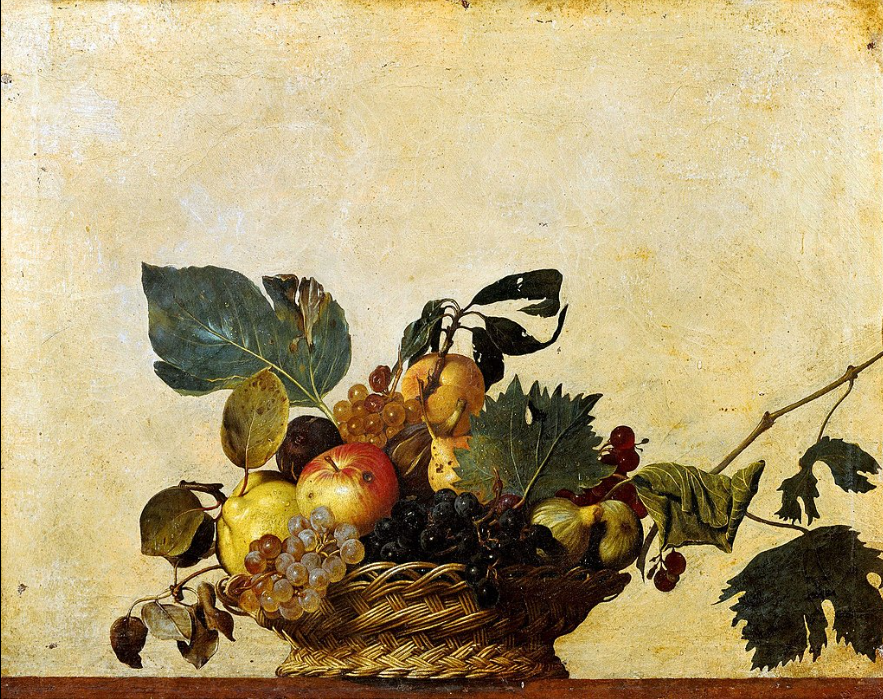
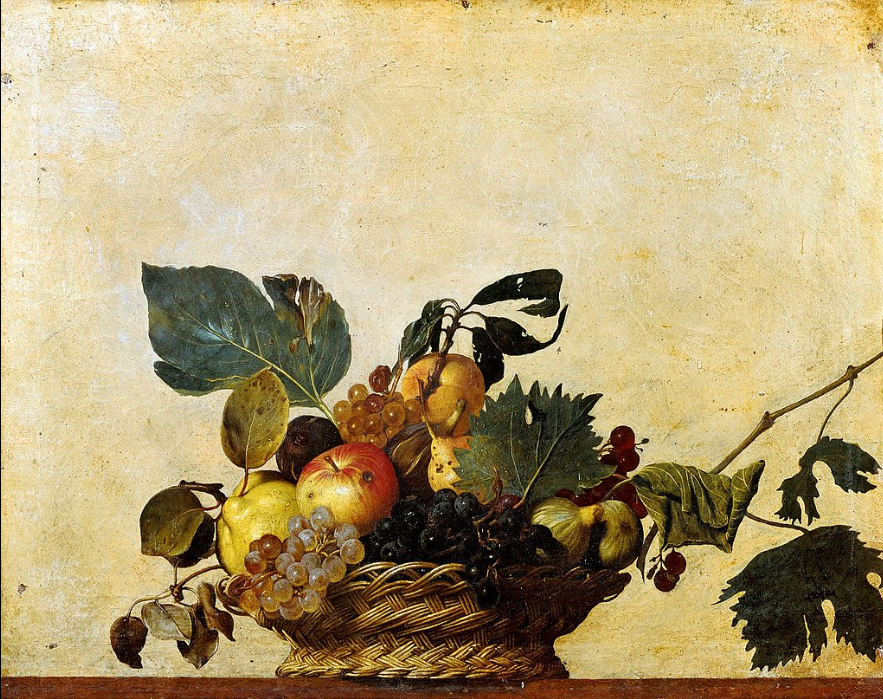
Caravaggio’s Basket of Fruit
One of the museum’s most iconic works, Caravaggio’s still life is a masterpiece of realism and symbolism. Its extraordinary attention to detail makes it a must‑see for art lovers.
Raphael’s Cartoon for the School of Athens
This monumental preparatory drawing is one of the most important works in the collection. Seeing it up close allows visitors to appreciate Raphael’s technique and the scale of his vision.
The Ambrosiana Library treasures
The adjoining Biblioteca Ambrosiana preserves rare manuscripts, ancient texts, and historical documents. Among its most precious items are works related to Leonardo da Vinci and other Renaissance thinkers.
Works by Botticelli, Titian, and Bramantino
The gallery features an impressive selection of masterpieces from major Italian artists, offering a journey through centuries of artistic evolution.
The intimate atmosphere
Unlike larger and more crowded museums, the Ambrosiana offers a peaceful, contemplative experience. Its historic rooms, wooden ceilings, and warm lighting create a unique atmosphere that enhances the visit.
Why the Pinacoteca Ambrosiana matters
The Ambrosiana is more than an art gallery—it is a symbol of Milan’s intellectual and cultural identity. It represents the city’s long tradition of scholarship, creativity, and humanistic values. Visiting this museum helps travelers understand Milan beyond its fashion, design, and modern energy, revealing the deep historical roots that shaped the city.
Practical tips for your visit
Location: A few steps from the Duomo and Piazza Cordusio M1 – M3 Duomo
Recommended visit time: 1.5–2 hours
Best time to visit: Morning or late afternoon for a quieter experience
Ideal for: Art lovers, history enthusiasts, and travelers seeking a cultural experience away from the crowds
Leave a Reply